More than 100 people came together to discuss ‘Mental Health Through a Family Lens – Bridging Models, Building Futures’ at the Ronald McDonald House Charities (RMHC) Malta’s third annual conference on October 29 at the Notch Conference Centre, Urban Valley Resort & Spa.
The event, held in collaboration with the National Mental Health Services, Aġenzija Sapport, and the Mental Health Association, explored the vital role of family-centred care in supporting children and youths experiencing mental health challenges and/or neurodevelopmental issues. It emphasised how families – especially parents and siblings – should be recognised not just as caregivers, but as equal partners in the care process, whose own mental health and wellbeing must be supported to ensure effective outcomes for the young people they care for.
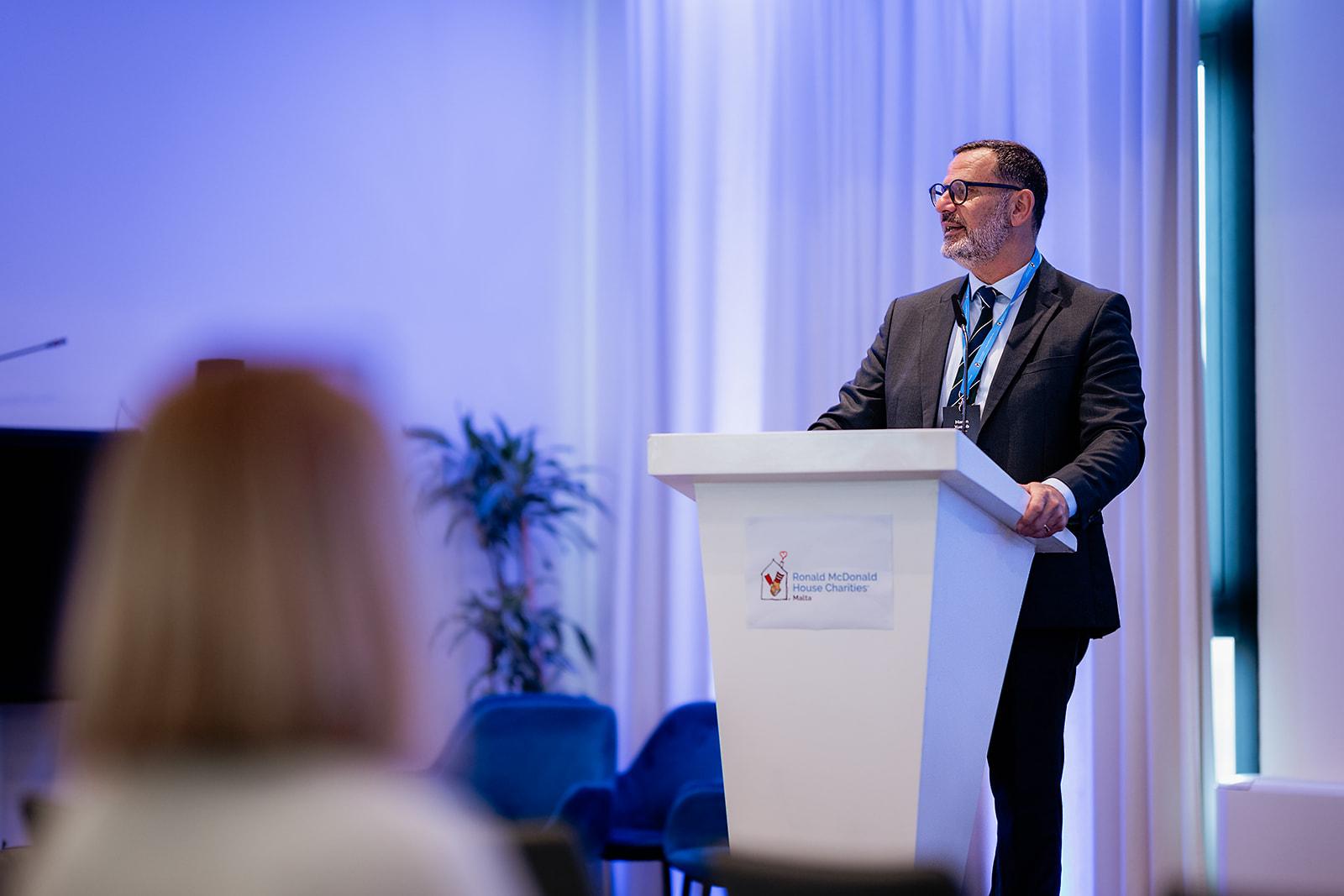
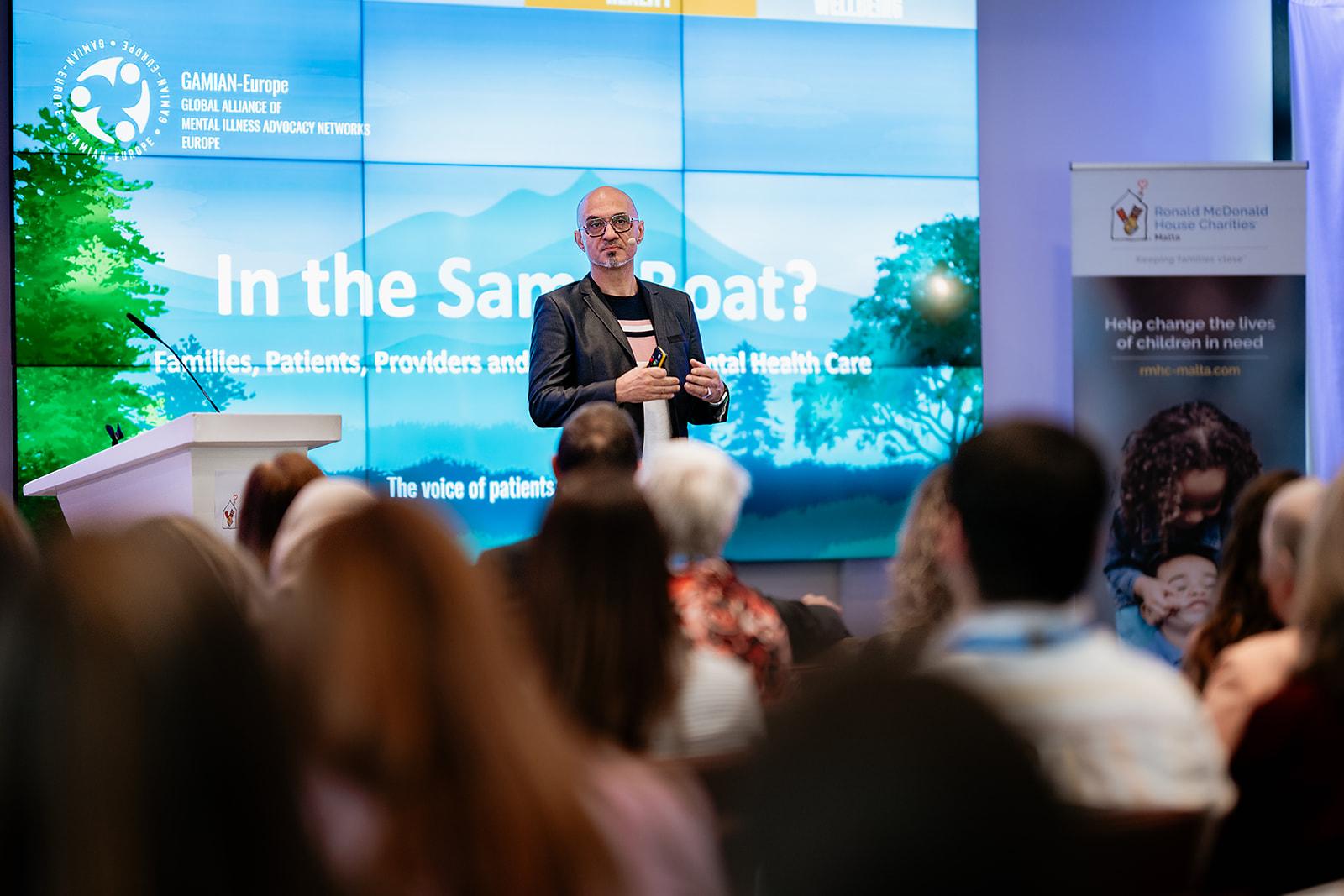
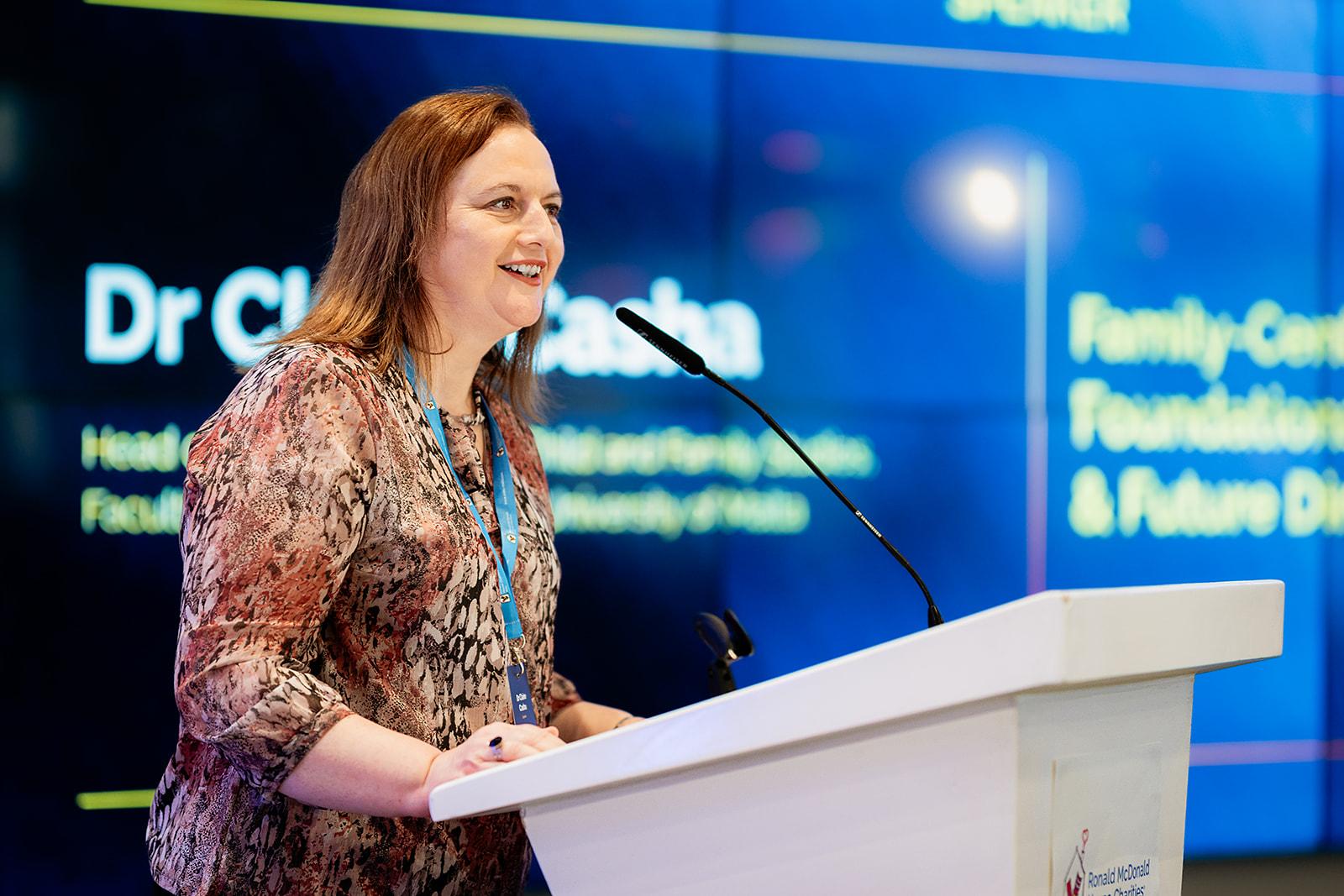
Opening speeches were delivered by RMHC Chairman Martin Xuereb, who spoke about RMHC’s commitment to promoting family-centred care. A keynote address was delivered by Peter Kéri, President of GAMIAN-Europe, the alliance of mental health patient driven organisations across Europe. Mr Kéri explored the real-world challenges and profound significance of collaboration among families, professionals, and systems of care. His insight was clear: being “in it together” doesn’t mean perfect alignment, it means finding harmony. Dr Claire Casha, Head of the Department of Child and Family Studies at the University of Malta’s Faculty for Social Wellbeing, delivered a presentation on Family-Centred Care and discussed the shift from individualistic models of mental health care toward systemic approaches that see families as an integral part of the solution.
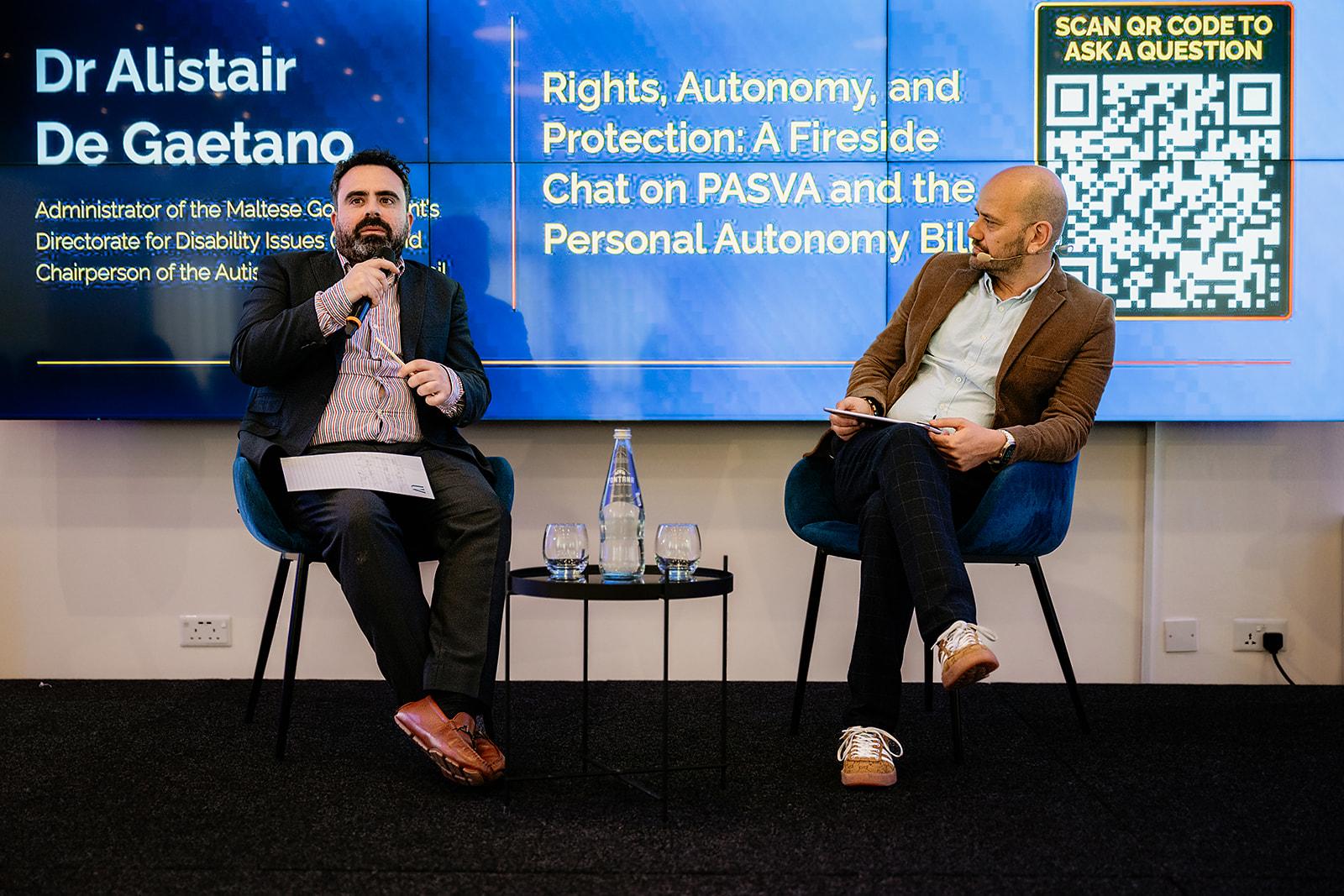
The conference featured a fireside chat and Q&A session with Dr Alistair De Gaetano, Administrator of the Directorate for Disability Issues and Chairperson of the Autism Advisory Council. Dr De Gaetano delved into the two recently proposed laws – the Personal Autonomy Bill and the Protection of Adults in Situations of Vulnerability Act (PASVA) – and outlined the measures within the PASVA framework that support varying degrees of autonomy and patient involvement in decision-making.

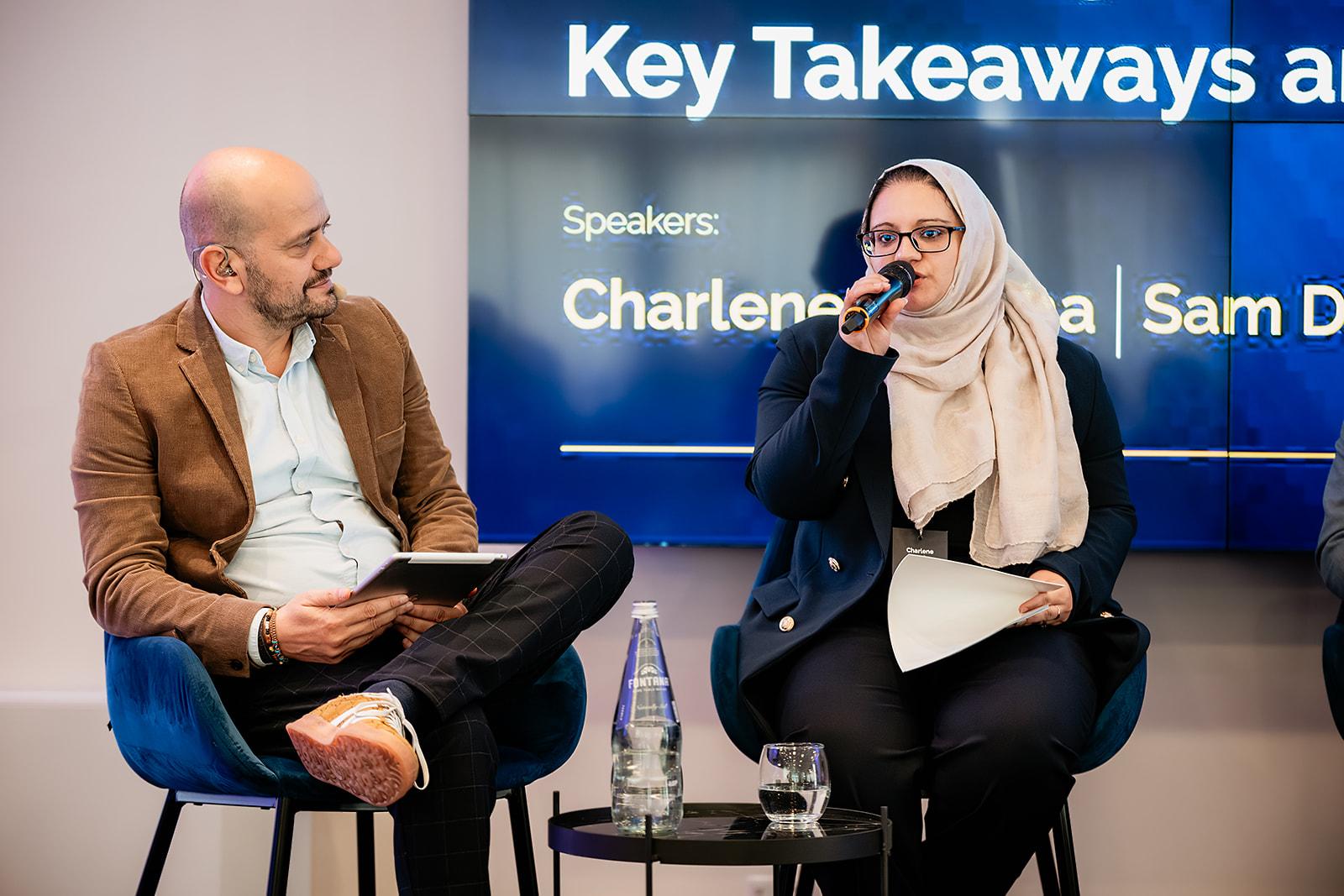
Four interactive workshops were also held that explored key issues affecting families and professionals in the care sector. These included parents’ emotional wellbeing and burnout, with a particular emphasis on fathers’ mental health; the financial burden and service access barriers faced by parents and guardians; professionals’ perspectives on implementing family-centred care in clinical settings; and the transitions experienced by children and youth, such as moving from compulsory schooling to further education, and from child to adult medical and mental health services – with a focus on how families are involved and impacted throughout these changes. The conference concluded with a final panel presentation, where key takeaways from each workshop were shared, encouraging collective reflection and generating actionable insights.
The conference served as a platform for professionals, academics, policymakers, caregivers, and advocates to explore and discuss the vital role of family-centred care in supporting people facing mental health challenges.
Péter Kéri is President of GAMIAN-Europe, the alliance of mental health patient driven organisations across Europe. Based in Belgium and Hungary, he also serves as a Board Member of the European Psychiatric Association. Drawing on lived experience, he advances patient leadership as essential for science, policy, and equity.